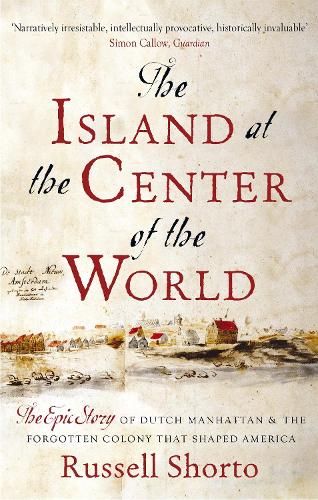
The Island at the Center of the World explores the Dutch colony on Manhattan Island, challenging the traditional narrative of American history. The reviewer appreciates the book's unique perspective on European power struggles and the relationship between Indigenous peoples and settlers, but finds the writing overly detailed and the design of the book unappealing.
The Island at the Center of the World by Russell Shorto delves into the history of the Dutch colony on Manhattan Island, known as New Amsterdam, and its eventual transformation into New York. The book highlights the extensive new work being done on records from that period, revising historians' opinions of the colony. Shorto argues that history is often written by the victors, in this case the English, who downplayed the Dutch origins of Manhattan. The reviewer appreciates the book's exploration of the nuanced relationship between Indigenous peoples and Dutch settlers, as well as its focus on the unique colonial efforts of the Netherlands compared to other European powers. However, the reviewer finds the writing overly detailed and the design of the book unappealing, which made the reading experience less enjoyable. Despite these flaws, the book provides a solid, slightly academic read about an important part of North American history.
Quick quotes
The Island at the Center of the World is about the Dutch colony on Manhattan Island — New Amsterdam and its ancillary towns that would eventually be surrendered to the English and metamorphose into New York and New York state.
Shorto essentially takes the position that history is written by the victors, and the victors being English in this case meant they had no shortage of bad things to say about the Dutch.
I just feel like there might have been a way to tell this story in a slightly more concise, punchier fashion.