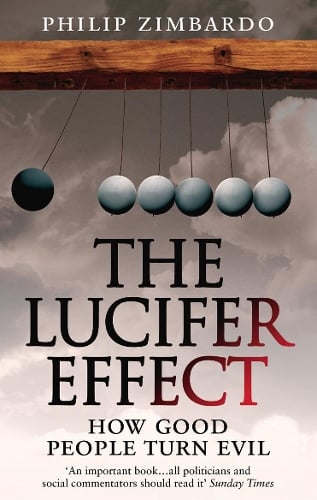
The Lucifer Effect explores how ordinary people can become perpetrators of evil, using the Stanford Prison Experiment as a case study. The book is praised for its insightful analysis but criticized for its length and lack of focus.
The Lucifer Effect delves into the psychological mechanisms that lead good people to commit evil acts. Philip Zimbardo uses the infamous Stanford Prison Experiment to illustrate how situational factors can override individual morality. Readers appreciate the depth of the analysis and the relevance of the topic, but some find the book overly long and repetitive. The discussion on the banality of evil and the power of social situations is particularly compelling. However, the lack of a clear narrative structure and the dense academic writing style may deter some readers.
Quick quotes
The Lucifer Effect is a profound exploration of the dark side of human nature.
Zimbardo's analysis of the Stanford Prison Experiment is both chilling and enlightening.
The book's length and repetitive nature detract from its otherwise valuable insights.