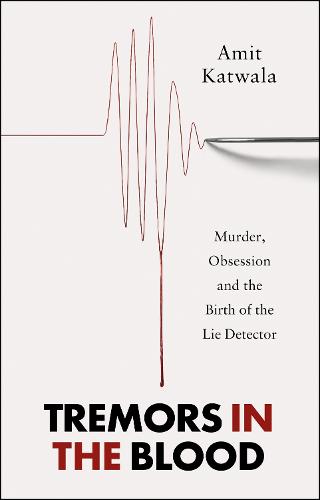
Tremors in the Blood is an informative book that delves into the history of the lie detector and its use in the Henry Wilkins murder trial. While the book is well-researched and engaging, some readers found the pacing slow and the organization disjointed, with a focus that strayed from the lie detector's origins and evolution.
Tremors in the Blood offers a fascinating exploration of the lie detector's history, particularly its role in the Henry Wilkins murder trial. The book is well-written and informative, providing a deep dive into the subject matter. However, some readers found the pacing to be slow and the organization disjointed, jumping around timelines and people frequently. The focus on the Wilkins case, while interesting, felt somewhat tangential to the lie detector's development. The extensive descriptions of the trials discussed tended to drag, and the book's abrupt ending left some readers wanting more. Despite these criticisms, the book's candid discussion of the unreliability of truth-seeking technologies and its look at modern technologies trying to achieve the same goals were particularly engaging.
Quick quotes
The style reads well and the information is largely interesting, but the organization is pretty disjointed, jumping around timelines and people a lot.
I thought the pacing was a bit slow, but this is a wonderful book overall.
Unfortunately for me, the content didn't really live up to the title. I wanted to know more about the actual process of making and testing a lie detector.