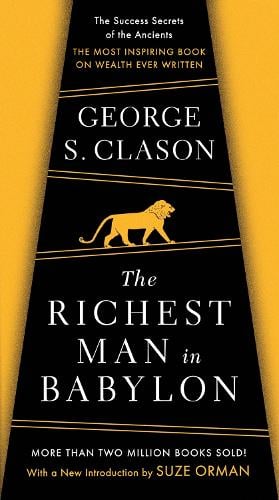
Clason's work is praised for its timeless advice on personal finance and living a good life. The reviewer finds the parables both entertaining and educational.
The reviewer at Rockstar Finance highlights how 'The Richest Man in Babylon' offers timeless advice on personal finance and living a fulfilling life. They appreciate the book's use of parables to convey complex financial concepts in an engaging and accessible manner. The reviewer also notes that the book's lessons on saving, investing, and avoiding debt are as relevant today as they were when the book was first written. They conclude that Clason's work is a valuable resource for anyone looking to improve their financial well-being.
Quick quotes
Clason's work is a true gift to the world
His parables entertain and educate in the areas of personal finance and living the good life
The book's lessons on saving, investing, and avoiding debt are as relevant today as they were when the book was first written