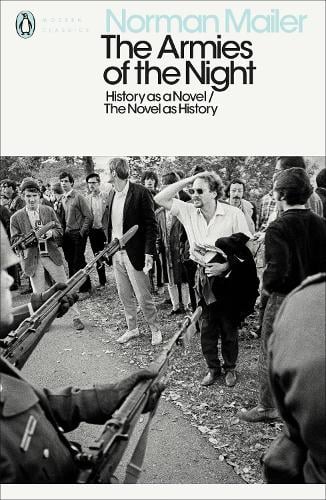
The book is described as a dark and sad testament, more of a historical account than a novel, with intimations of a tie-up between the ex-Left and the Government. It is seen as a significant work that captures the essence of its time.
The reviewer notes that this book is not so much a novel as a historical account, riddled with the complexities of its era. It delves into the political and social upheavals of the time, offering a dark and sad testament to the events it describes. The work is seen as a significant piece that captures the spirit of the 1960s, with a focus on the anti-Vietnam war movement and its implications. The reviewer appreciates the depth and the historical significance of the book, highlighting its unique perspective and the way it intertwines personal narrative with broader historical events.
Quick quotes
This dark, sad testament of a book, only distractedly a novel, was riddled with the intimations of a tie-up between the ex-Left and the Government's ...
It delves into the political and social upheavals of the time, offering a dark and sad testament to the events it describes.
The work is seen as a significant piece that captures the spirit of the 1960s, with a focus on the anti-Vietnam war movement and its implications.